
As the new school year begins, kids spend their days in close contact with dozens of other children, sharing classroom space, sitting close together on the bus, storing backpacks in shared cubbies, and attending sleepovers and playdates with friends. This kind of social contact is a normal and healthy part of growing up, but it is also one of the more overlooked ways bed bugs travel from one home to another. At Nectar Pest Control, we believe it is important for families to understand how this happens and what they can do about it as the school year gets underway.
What Are Bed Bugs?
Bed bugs (scientific name Cimex lectularius) are small, wingless, parasitic insects that feed exclusively on blood. Adults are roughly the size and shape of an apple seed — flat, oval, and reddish-brown. While people may feel ashamed when they learn they have a bedbug problem, it should be noted that an infestation is not a sign of poor housekeeping, and bed bugs do not infest homes because a space is dirty or neglected. They are hitchhikers. They cannot jump or fly, and they do not travel on their own between buildings. Every infestation begins the same way: an insect or its eggs moves from an infested location to a new one by clinging to something a person is carrying.
How Kids Bring Bed Bugs Home From School Contact
Most discussions of bed bug prevention focus on hotels and travel, and that’s understandable. But consider that over the summer, before the school year began, families may have taken a vacation that involved a stay at a hotel, vacation rental, or with relatives, and returned home with uninvited guests. Those guests can easily catch a ride to school. Children create a pathway through close, repeated contact with other kids’ belongings throughout the school day and beyond.
Backpacks are the most common vector. When backpacks are piled together in a classroom cubby, stacked in a locker, or set down next to each other on a bus or in an after-school program, a bed bug or its eggs can migrate from an infested bag onto a neighboring one in seconds. The child carrying that backpack has no idea anything happened, and the backpack comes home and is set down in a bedroom or on a sofa, giving the insect direct access to a new environment.
Coats and jackets hung closely together on classroom hooks present a similar risk, as does shared seating on school buses, where fabric upholstery is in constant contact with the clothing of one child after another throughout the day. Sleepovers and playdates add another layer of risk: a child’s overnight bag, pillow, or stuffed animal that spends a night in a friend’s bedroom can pick up bed bugs if that home has an undetected infestation, and bring them back without anyone realizing it.
Daycare and before- and after-school programs that use shared nap mats, blankets, or rest areas create comparable exposure for younger children, particularly when these items are not laundered daily.
None of this means schools or other children’s homes are unclean. Bed bug introductions of this kind are typically isolated and unintentional, and they can happen in any environment where children’s personal items come into repeated close contact with each other.
Problems Caused by Bed Bugs
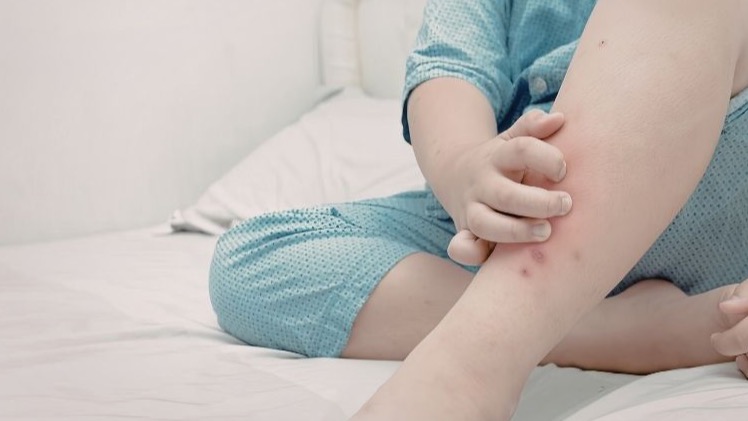
Bed bug bites appear as small, red, itchy welts, often in a line or cluster on exposed skin. Not every child reacts visibly to bites, which can allow an infestation to take hold at home before anyone notices a problem. Once bed bugs are established, they reproduce quickly. A single mated female can lay hundreds of eggs, and Phoenix’s warm indoor air temperatures support fast development from egg to adult. An infestation that starts with a single hitchhiking insect can grow substantially within a matter of weeks.
Bed bugs are also among the most difficult pests to eliminate once established, since they hide in tiny crevices and can survive for months without feeding. Professional treatment is almost always required for a confirmed infestation, making prevention far less costly and disruptive than dealing with an established problem.
How to Prevent Bed Bugs From Coming Home With Your Kids
A few simple habits, practiced consistently throughout the school year, significantly reduce the risk of an unwelcome hitchhiker making it into your home:
- Keep backpacks off beds and upholstered furniture. Designate a spot for backpacks near the entryway — a hook, a hard chair, or a spot in the garage — rather than letting kids drop them on a bed or couch when they get home. This limits where any hitchhiking insect could establish itself.
- Do a quick visual check periodically. Look over your child’s backpack every week or two, paying attention to seams, the bottom corners, and any zippered pockets. You are looking for live insects, tiny dark spots, or small shed skins.
- Wash items after sleepovers and playdates. Overnight bags, pajamas, and any stuffed animals or blankets that traveled to another home should be washed in hot water and dried on high heat when your child returns. This step is quick, inexpensive, and effective regardless of whether you saw any signs of a problem.
- Be mindful of borrowed or secondhand items. Hand-me-down backpacks, borrowed costumes, and secondhand stuffed animals or bedding all carry some risk. A quick inspection before these items enter your child’s room is a reasonable precaution.
- Talk to your kids about not sharing certain items. Encourage children not to swap jackets, blankets, or stuffed animals with friends for any extended periods to reduce opportunities for transfer, but be careful to not make your advice sound scary or shame-based.
- Know what to look for at home. If your child develops unexplained bites — particularly in a line or cluster on exposed skin — that seem to appear overnight, check their mattress seams, box spring folds, and the area behind their headboard with a flashlight. Acting on early signs makes a significant difference in how manageable the situation is.
When to Call a Professional
If you find any evidence of bed bugs in your home, contact a licensed pest control professional promptly. Over-the-counter sprays are frequently ineffective against established populations, and incomplete treatment allows survivors to keep reproducing. Early professional involvement, even just for an inspection to confirm or rule out a potential bed bug problem, is well worth the cost compared to letting an infestation grow undetected.
Start the School Year Without Uninvited Guests
Kids’ social lives are a wonderful part of the school year, and a few mindful habits are all it takes to make sure that backpacks, sleepovers, and shared spaces do not bring unwanted bed bugs home with them.
If you have concerns about a potential exposure or are seeing unexplained signs of potential bed bug activity in your home, Nectar Pest Control can help. We serve families throughout Phoenix, Mesa, Scottsdale, Chandler, Gilbert, and the greater Valley area with thorough inspections and effective treatment options. Contact Nectar Pest Control to schedule a free inspection. Start the school year right and stay pest free all year.