
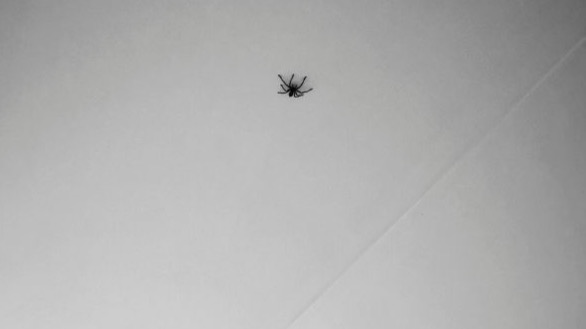
If you have ever encountered a wolf spider in your home and mistaken it for something far more dangerous, you are not alone. Wolf spiders are among the most startling spiders Arizona homeowners encounter; they are large, fast-moving, and appear seemingly out of nowhere, often in living spaces where spiders are not expected.
Unfortunately, fall is the season when these encounters peak across the Phoenix metro area. However, understanding why can help homeowners separate what may seem like a genuinely alarming spider infestation from the actual threat that a spider presence may represent and clarify what steps to take when they start showing up inside.
At Nectar Pest Control, wolf spider calls increase every fall as reliably as the temperatures begin to drop. Here is what is driving that activity and what Phoenix area homeowners can do about it.
What Are Wolf Spiders?
Wolf spiders belong to the family Lycosidae, a large and diverse group of arachnids with numerous species present throughout Arizona. Unlike web-building spiders, wolf spiders are ground hunters; they pursue and ambush prey rather than waiting in a web for it to arrive. This hunting behavior is what makes them so visible compared to many other spider species. A wolf spider moving across a kitchen floor or appearing in a hallway at night is doing exactly what its biology is designed to do: actively covering ground in search of food.
Arizona wolf spiders range considerably in size depending on species, but the ones most commonly encountered in Phoenix area homes are large enough to be genuinely startling — body lengths of three quarters of an inch to over an inch are not unusual, and leg span can make them appear significantly larger. They are typically brown, gray, or tan with darker patterning that varies by species, and their eyes — arranged in three rows with two large eyes prominently visible in the middle row — reflect light distinctively when a flashlight or headlamp is pointed at them, producing a characteristic eyeshine that is useful for spotting them in dim conditions.
Wolf spiders are venomous in the technical sense (note: all spiders produce venom), but they are not medically significant. Their venom is not potent enough to cause serious harm to healthy adults, and they are not aggressive; they bite defensively when handled or cornered, but will not actively seek to bite humans. If they do bite, the bite produces pain, redness, and swelling in the localized area comparable to a bee sting. Usually, symptoms will resolve without medical treatment; however, individuals with venom sensitivities may experience more pronounced reactions and should seek medical attention if bitten.
This is a significant distinction from how you respond to a bite from a black widow, which shares some habitat preferences with wolf spiders and is sometimes found in the same areas. Knowing what you are looking at matters, and wolf spiders look very different. While black widows are shiny and black, with a large abdomen and a distinctive red hourglass marking on the underside, wolf spiders are of varying colors and covered in short hairs.
Why Fall Drives Wolf Spiders Into Arizona Homes
Wolf spider activity and indoor encounters peak in fall across the Phoenix metro area for several interconnected reasons, each tied to the seasonal transition that October and November bring to Arizona’s pest environment. Those reasons involve mating, heat, prey, and the end of the monsoon season. Here is how those factors interplay:
Wolf spider activity and indoor encounters peak in fall across the Phoenix metro area for several interconnected reasons, each tied to the seasonal transition that October and November bring to Arizona’s pest environment. Those reasons involve: mating, heat, prey, and the end of the monsoon season. Here are the ways those factors interplay:
- Late summer and fall is the primary mating season for many wolf spider species in Arizona. Males, which spend most of the year in established home ranges and are relatively static compared to their roaming behavior during mating season, become highly mobile in search of females. This roaming behavior often takes them across open ground, through landscaping, under doors, and into living spaces that they would not enter during the rest of the year. The wolf spiders that appear most unexpectedly in living areas during fall are almost always males in active reproductive pursuit.
- Cooling temperatures push ground activity toward structures. Wolf spiders are ground-dwelling and temperature-sensitive; as nighttime temperatures in the Phoenix area begin moderating in October and November from summer peaks, ground temperatures drop as well, and wolf spiders move toward the warmth retained by concrete foundations, paved surfaces, and the interior of structures. The same thermal gradient that drives scorpions and cockroaches toward structures in fall is influencing wolf spider movement in the same direction.
- Wolf spider prey tend to follow the same pattern. Their food supply consists primarily of crickets, beetles, and other ground-dwelling insects. The insect surge that monsoon season produces reaches its peak through September, and the cricket populations that establish around structures during monsoon months persist into fall. A yard or perimeter area with high cricket activity is actively attracting wolf spiders to the immediate vicinity of the home, and from there, entry into the structure follows.
- The abundant prey and favorable moisture conditions of Arizona’s monsoon season support wolf spider populations that are larger in fall than they would be in the dry spring months. More wolf spiders in the surrounding environment means more pressure on the structure’s perimeter and more encounters inside when entry points allow access.
Where Wolf Spiders Are Most Commonly Found Inside Homes
Being ground dwellers, wolf spiders are almost always found at or near floor level inside structures. They do not build webs and are not found in ceiling corners or along eaves the way web-building species are. Common interior locations include along baseboards, in the corners of rooms adjacent to exterior walls, in garages along the floor perimeter, beneath furniture, and in closets where floor-level clutter provides cover. They are frequently encountered in bathrooms, where smooth surfaces and the absence of clutter make them more visible than in carpeted or furnished rooms.
Outside, wolf spiders are found in leaf litter, under stones and ground-level debris, in the gaps beneath exterior door thresholds, and in the landscaping adjacent to the structure. Block wall bases, where organic debris and moisture accumulate, are productive hunting habitat for ground-dwelling insects and consequently for the wolf spiders that prey on them.
What Homeowners Can Do
To reduce wolf spider encounters inside your home in the fall, the most effective measures involve addressing the entry points, prey availability, and harborage conditions that bring them to and into the structure. That means:
- Seal ground-level entry points. Wolf spiders enter homes through the same gaps that other ground-level pests use: beneath exterior doors and garage doors, cracks along the foundation, gaps around utility penetrations at ground level, and the spaces beneath door thresholds that have lost their seals. Inspecting and improving these points of entry reduces wolf spider access without requiring any chemical treatment. Door sweeps on exterior and garage doors are particularly effective since wolf spiders entering from outside almost always do so at floor level.
- Reduce cricket populations around the perimeter. Wolf spiders follow their prey. A perimeter with high cricket activity is actively drawing wolf spiders to the immediate area. Reducing exterior lighting that attracts crickets at night, addressing moisture sources that sustain cricket habitat, and incorporating cricket control into your fall pest treatment program removes the primary food source attracting wolf spiders.
- Clear ground-level harborage sites from the perimeter and garage. Leaf litter, wood piles, stored items on the garage floor, and debris along exterior walls all provide the cover and hunting habitat that wolf spiders actively seek. Clearing these materials from the immediate perimeter of the structure and keeping the garage floor clear of items stored directly on the concrete reduces available habitat.
- Manage interior floor level clutter. Once wolf spiders get inside, they will use clutter along baseboards and on closet floors for cover. Reducing that clutter makes the spiders more visible and eliminates the harborage that allows them to establish their presence, instead encouraging them to keep moving through.
- Use a UV blacklight for nighttime inspection. Wolf spider eyes produce the same distinctive reflective eyeshine under ultraviolet light that makes scorpions visible. A UV blacklight used along baseboards, in garage corners, and in closets after dark is an effective tool for locating wolf spiders that are active at night and that you may miss during daytime inspections.
The Scorpion Connection Worth Knowing
Wolf spiders and bark scorpions share enough habitat preferences and behavioral characteristics that finding wolf spiders regularly in or around your home is worth treating as a signal about the broader pest environment rather than an isolated observation:
- Both are ground-level hunters
- Both are most active at night
- Both are drawn to cricket populations
- Both move toward structures in fall as temperatures cool
- Both enter through the same ground-level gaps in the building envelope.
A home experiencing significant wolf spider pressure in fall is a home whose perimeter conditions and entry points are also accessible to scorpions. Addressing the entry points, prey populations, and harborage conditions that bring wolf spiders inside will also help prevent scorpion access to your home. That makes fall the right time to address both comprehensively rather than treating each species as a separate problem.
When to Call Nectar Pest Control
Wolf spiders appearing occasionally in living spaces during fall are a normal feature of Arizona’s seasonal pest calendar and can often be managed adequately with the exclusion and source reduction steps described above. However, professional treatment is the appropriate step to take when wolf spider encounters:
- Become more frequent;
- Occur throughout the interior of the home rather than just in garage or perimeter-adjacent areas; or
- Coincide with other pest pressure that suggests broader perimeter vulnerability.
A professional perimeter treatment from Nectar Pest Control that targets the cricket and insect populations that sustain wolf spider activity, combined with a perimeter inspection that identifies and addresses entry points, produces more comprehensive and more durable results than source reduction alone. It also addresses the scorpion risk that accompanies the same conditions, which is the more medically significant concern in Arizona’s pest environment.
Nectar Pest Control serves homeowners throughout Phoenix, Mesa, Scottsdale, Chandler, Gilbert, and surrounding Valley communities. Our fall treatments are designed to address the full range of pests that Arizona’s seasonal transition drives toward structures, including the wolf spiders that signal broader perimeter vulnerability. Call us today at (480) 739-3000 or use our website to schedule a free inspection. Fall is prime time for ground-level pest activity in Arizona; make sure your home is ready for it.